
Your cart
Your cart is empty
Continue shoppingDrawer menu

If you are searching for types of imitation jewellery, the easiest place to start is with the basic meaning. Imitation jewellery is jewellery made to give you the appearance of precious jewellery without being made entirely from precious metals or natural gemstones. The designs can be simple, traditional, colourful, heavily detailed or quite modern.
That variety is exactly why imitation jewellery has become such a practical choice for Indian wardrobes. One day you may need a small pair of earrings for work. A few days later, you may be dressing for a wedding and looking for a detailed Kundan necklace set.
So, what are the main types? Kundan, Polki-inspired, Jadau-style, temple-style, Meenakari, AD jewellery, pearl jewellery, gold-finish designs and bridal sets are some of the styles shoppers commonly come across. The right one depends less on a trend and more on the outfit, occasion and amount of jewellery you actually want to wear.
Imitation jewellery is jewellery designed to resemble precious jewellery while using more affordable materials, stones and finishes.
It can take inspiration from gold jewellery, diamond jewellery, Kundan designs, Polki jewellery, temple ornaments and many other traditional or contemporary styles.
The important thing is not to judge the jewellery only by how it looks. A necklace may have a gold-like finish without being made of solid gold. Earrings may use stones that resemble diamonds without containing natural diamonds.
That doesn't make the jewellery less useful. It simply means the piece belongs to a different category.
Imitation jewellery is often chosen for weddings, festivals, parties, family functions and regular styling because it allows people to wear different designs without buying a precious-metal piece for every outfit.
You will also see the terms artificial jewellery and fashion jewellery used in similar situations.
They overlap, but sellers don't always use these words in the same way. Artificial jewellery is a broad term for jewellery made using non-precious or alternative materials. Fashion jewellery often refers to trend-led accessories designed around current styles. Imitation jewellery usually puts more emphasis on designs that resemble traditional or precious jewellery.
In everyday shopping, though, these categories can overlap quite a bit.


The word imitation simply tells you that the jewellery is designed to imitate the appearance of another type of jewellery.
For example, an imitation Kundan necklace may recreate the look of a traditional Kundan piece using different materials. A pair of AD earrings may give you a diamond-like appearance without using natural diamonds.
This is also why imitation jewellery should not be confused with solid gold or genuine gemstone jewellery.
A precious jewellery piece has a different material value. Imitation jewellery is mainly bought for its design, appearance, versatility and affordability.
That distinction becomes useful when you are comparing prices. Two necklaces can look similar in a photograph and still belong to completely different material categories.
There isn't one fixed list because jewellery styles overlap. A Kundan necklace can also be part of a bridal set. A gold-finish piece may include pearl details. An AD necklace can have a modern or traditional design.
Still, a few styles appear again and again when people shop for imitation jewellery in India.
Kundan-inspired jewellery is one of the easiest styles to recognise.
It usually has a rich, traditional appearance, with stones arranged closely within decorative settings. The overall effect can be elaborate without necessarily looking overly complicated.
You'll find Kundan-inspired designs in necklaces, chokers, earrings, pendants, rings and coordinated sets.
A Kundan jewellery set can work especially well with sarees, lehengas, Anarkalis and other Indian outfits where the jewellery needs to feel part of the overall look.
For a wedding, a fuller necklace with matching earrings can create a traditional appearance. For a smaller function, Kundan earrings alone may be enough.
One point is worth keeping clear: a Kundan-inspired imitation piece should not automatically be described as having genuine traditional Kundan craftsmanship. The appearance can be inspired by the style while the construction and materials are different.
Polki-inspired jewellery takes its visual cue from the distinctive uncut diamond look associated with traditional Polki jewellery.
In imitation designs, the effect can be recreated using decorative stones and other materials. The result is often rich and slightly vintage-looking, which is why Polki-inspired pieces work so well with festive and traditional clothing.
A Polki-inspired necklace can be paired with a saree or lehenga for a wedding. Smaller earrings can also work with a plain kurta or festive suit when you want the jewellery to provide most of the detail.
Polki designs don't always have to be heavy. Modern versions can be surprisingly wearable.
Jadau-style jewellery is another option for shoppers who like an ornate traditional appearance.
The designs often have a decorative, layered feel, with stones, colour and detailed metalwork creating a fuller visual effect.
Imitation versions make this type of styling more accessible for people who want the look without purchasing a precious jewellery piece.
Jadau-style rings, necklaces and earrings can work particularly well when the outfit itself is fairly simple. If your saree or lehenga already has heavy embroidery, one detailed jewellery piece may be enough.
Temple-style jewellery takes visual inspiration from traditional Indian temple jewellery.
Common design elements include decorative motifs, floral forms, deity-inspired shapes and antique-looking gold finishes. In imitation jewellery, these ideas are recreated using alternative materials and finishes.
This style naturally fits traditional outfits. Think sarees, silk dresses, festive lehengas and ethnic suits.
You don't necessarily need a complete set. A temple-style pendant or pair of earrings can bring that traditional touch to an otherwise simple outfit.
Meenakari-inspired jewellery stands out because of its colour.
Instead of relying only on a gold-like finish and clear stones, these designs often introduce bright enamel-style colours such as red, green, blue or pink.
That makes Meenakari-inspired pieces useful when your outfit needs a little contrast.
A colourful pair of earrings can work with a plain saree. A necklace with coloured details can pick up embroidery or dupatta shades without requiring an exact colour match.
This style is particularly easy to wear during festivals and family celebrations because it doesn't always need a very formal outfit.
In India, American Diamond jewellery, usually called AD jewellery, generally refers to jewellery made with stones that are designed to give a diamond-like appearance.
The name can be confusing if you're new to jewellery shopping.
AD jewellery does not mean the piece contains natural diamonds. The stones are generally diamond-look alternatives used to create sparkle at a more accessible price point.
AD earrings are popular for party wear because they catch light nicely. Necklaces and bracelets can also work for receptions, dinners and evening events.
The style itself can range from very traditional to clean and contemporary, so don't assume AD jewellery always means heavy bridal jewellery.
Gold-plated imitation jewellery has a gold-coloured surface finish over another material.
It is popular because gold tones work easily with Indian clothing. A gold-finish necklace can complement a saree, lehenga, salwar suit or even a plain western outfit.
The finish can change with use, and how quickly that happens depends on the particular piece, handling, exposure to moisture and chemicals, and frequency of wear.
So, avoid buying based only on the colour in a photograph. Check the product description and care instructions as well.
Pearls bring a completely different feel to imitation jewellery.
They have a softer, cleaner appearance and can make an outfit look dressed up without making it feel heavily traditional.
Imitation pearl necklaces can work with sarees and festive outfits, but they can also be surprisingly easy to wear with formal dresses or simple tops.
Pearl earrings are another practical option. A small pair can work for regular use, while larger pearl designs can be saved for parties and celebrations.
Bridal imitation jewellery is not one particular design. It is a category that can include several traditional styles used together for wedding dressing.
A bridal jewellery combination may include a necklace, matching earrings, maang tikka, bangles, rings or a bracelet.
The appeal of a complete set is simple. You don't have to spend time finding pieces that look right together.
That can be useful when you have multiple wedding functions and several outfits to plan.
An artificial jewellery set usually means two or more coordinated pieces sold together.
The most common combination is a necklace with matching earrings. Some sets may also include a maang tikka, bracelet, bangles or other matching pieces.
Sets are handy when the outfit already has a strong colour scheme. Instead of trying to match each item separately, you can use the set as the starting point.
For a wedding, a necklace, earrings and maang tikka can create a complete traditional look. For a smaller event, the necklace and earrings may be all you need.
Always check the product details before ordering. "Set" doesn't mean the same number of pieces in every listing.
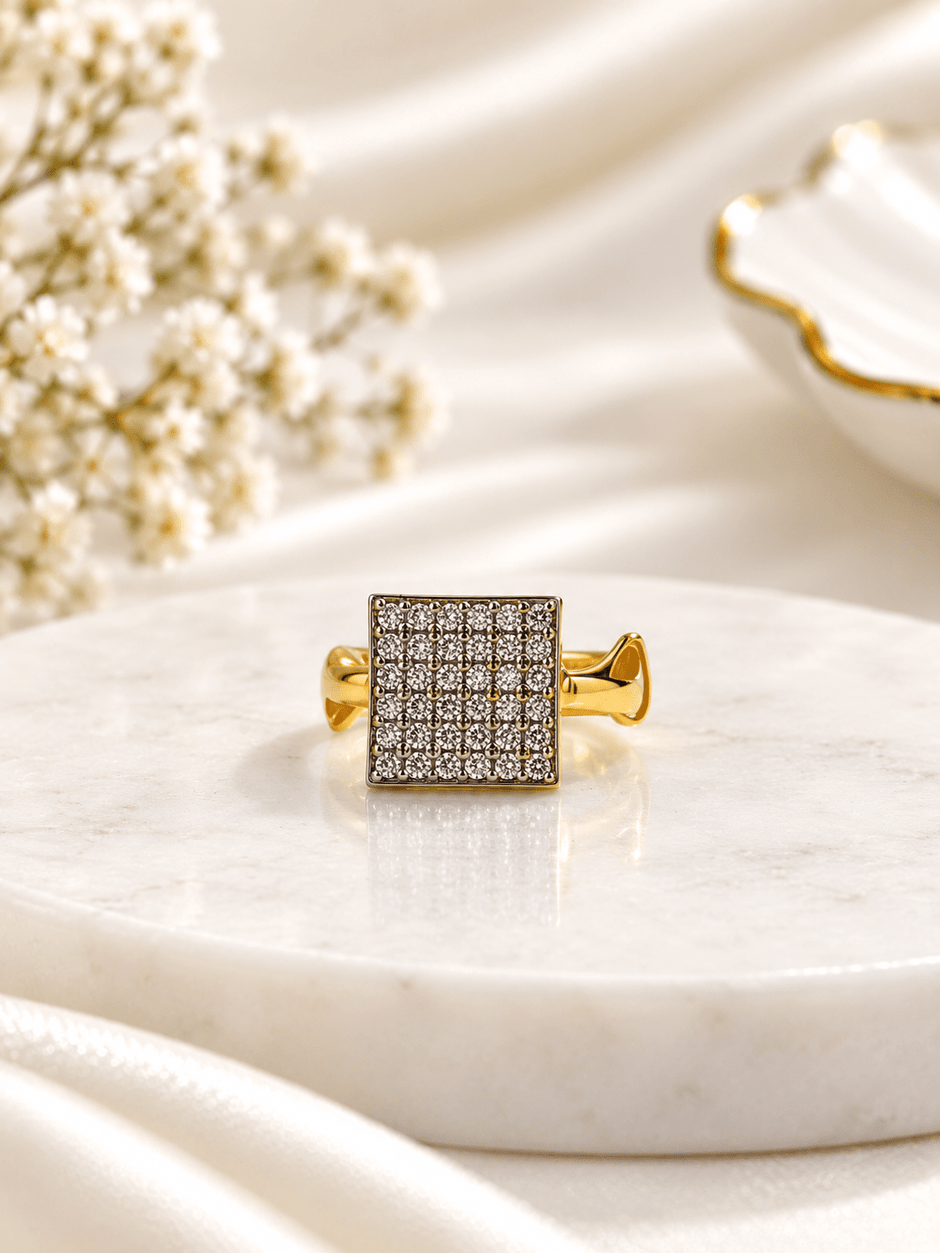
The types of imitation jewellery in India are influenced by more than fashion.
Wedding customs, festivals, clothing styles, regional preferences and personal taste all play a part.
Kundan-inspired jewellery is often chosen when the outfit needs a traditional, detailed appearance. Polki-inspired designs offer a richer, uncut-stone look. Meenakari adds colour. Temple-style jewellery gives an antique traditional feel. AD jewellery is useful when sparkle is the main requirement.
Then there are pearl designs, gold-finish pieces and modern artificial jewellery for shoppers who don't want a heavily traditional look.
There is no need to divide these styles too strictly by region. Jewellery trends travel quickly now, especially through weddings, social media and online shopping.
A design that once appeared mainly with one type of outfit can easily become part of another wardrobe.
That flexibility is actually one of the best things about imitation jewellery.
Kundan-inspired jewellery comes in more forms than just the familiar necklace set.
A Kundan necklace with matching earrings is a straightforward choice for weddings and festive events.
The coordinated pieces make styling easier, particularly when the outfit already has several colours.
Chokers sit closer to the neckline and can work beautifully with open necklines or traditional blouses.
They are a good option when you want the necklace to be noticeable without wearing a very long piece.
Long necklaces give you more length and can be layered with a shorter necklace if the outfit can handle it.
They work particularly well with sarees and lehengas where you want the jewellery to extend down the front of the outfit.
Not every occasion needs a necklace.
Large Kundan-inspired earrings can become the main jewellery piece with a simple saree, suit or dress. This is also a useful choice if you prefer a lighter overall look.
A pendant gives you a more understated way to wear the style.
Pair it with matching earrings and you have a coordinated look without the visual weight of a large necklace.
Bridal sets bring several pieces together for a fuller wedding look.
These are best chosen after considering the lehenga or saree. Heavy clothing does not automatically require heavy jewellery.
A maang tikka can complete a traditional bridal appearance, especially when it matches the necklace and earrings.
If you are wearing one, consider your hairstyle and the size of the other jewellery pieces before choosing a very large design.
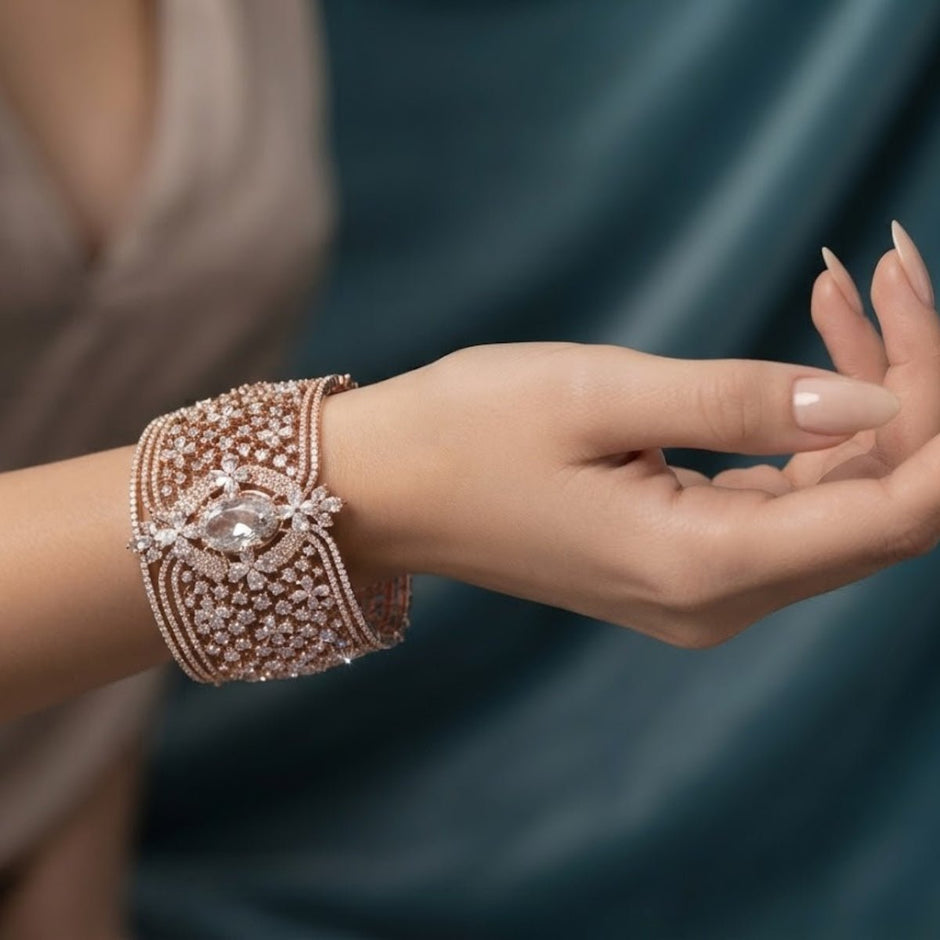
There isn't one answer for every wedding outfit.
For the main ceremony, Kundan-inspired, Polki-inspired and detailed bridal sets can work well with traditional sarees and lehengas.
For an engagement, you might prefer a statement necklace and earrings without going as heavy as the main bridal look.
Mehendi functions give you more freedom to play with colour. Meenakari-inspired pieces, colourful earrings or lighter bangles can work nicely.
For a reception, AD jewellery, chandelier earrings or a statement necklace can create a dressier appearance, especially with a simpler gown or saree.
If you're a wedding guest, you don't need to dress like the bride. One noticeable necklace, a pair of statement earrings or a few bangles can be enough.
Start with the outfit. Always.
The neckline, embroidery, colours and fabric will tell you more than a jewellery trend will.
Everyday jewellery usually needs to be lighter and easier to style.
Small earrings are an obvious choice. Simple hoops, studs or modest drop earrings can work with several outfits.
A small pendant is another practical option. It adds something to the outfit without becoming the first thing people notice.
If you prefer necklaces, look for shorter and relatively simple designs that don't compete with your clothes.
Minimal gold-finish jewellery can also be useful because the colour works with many Indian and western outfits.
Comfort matters here more than decoration. A beautiful necklace that feels heavy after thirty minutes isn't going to become your favourite everyday piece.
Also think about maintenance. Jewellery that needs very careful handling may be better saved for occasions rather than worn from morning to night.
Start with where you're going to wear it.
A wedding necklace and an office necklace don't have to serve the same purpose.
Then look at the neckline. A long necklace can work well with an open neckline, while a high neckline may suit earrings or a shorter necklace better.
Colour is next.
You don't need the jewellery to match the outfit exactly. Repeating one colour from the embroidery or choosing a neutral gold tone can often look more balanced.
Size matters too. Large earrings can look beautiful, but they may not be comfortable for several hours. The same goes for heavy necklaces and stacked bangles.
Think about how often you'll use the piece.
If you attend several family functions each year, a versatile necklace set may be more useful than a very specific design that works with only one outfit.
Finally, check the material and care instructions. Imitation jewellery can use different base materials, stones and finishes, so don't assume every piece will behave the same way.
The biggest difference is the material itself.
|
Factor |
Imitation Jewellery |
Real Gold Jewellery |
|
Material |
Alternative metals, finishes and decorative stones |
Gold alloy |
|
Appearance |
Can imitate gold and gemstone styles |
Natural precious-metal appearance |
|
Price |
Generally more affordable |
Usually much higher |
|
Styling |
Easy to experiment with |
Often purchased more selectively |
|
Occasion wear |
Very practical for multiple looks |
Suitable for occasions and long-term ownership |
|
Maintenance |
Depends on finish and materials |
Also requires care |
|
Investment value |
Not considered an investment substitute |
Precious-metal value may apply |
A piece of imitation jewellery can be beautiful and well designed. That doesn't make it equivalent to solid gold.
If your main reason for buying jewellery is investment or precious-metal value, solid gold belongs in a different category.
If your goal is to build several looks around different outfits, imitation jewellery can give you much more freedom.
For the right purpose, definitely.
It makes sense when you want jewellery for occasional wear, weddings, festivals, parties or different outfits throughout the year.
It is also useful if you enjoy changing your style. You can try a Kundan-inspired necklace one month and a simple pearl design the next without making every purchase a major investment.
Wedding shoppers can benefit from this flexibility too. There may be several functions, several outfits and several different jewellery combinations to plan.
That said, solid gold or other precious jewellery may make more sense if you're specifically looking for long-term precious-metal ownership, resale value or an heirloom piece.
The better question isn't "Which is better?"
It's "What do I want this jewellery to do?"
That usually makes the decision much easier.
A little care can help keep imitation jewellery looking better for longer.
Put on perfume, hairspray and other sprays before wearing your jewellery. This reduces direct contact between the finish and cosmetic products.
Try not to wear delicate pieces while bathing or swimming. Water alone isn't always the only concern. Soap, chlorine and other substances can also affect decorative finishes.
After wearing the piece, give it a gentle wipe with a soft, dry cloth.
Storage matters as well. Keep jewellery in a dry place and separate pieces where possible. Chains can tangle, stones can rub against each other, and decorative surfaces can pick up scratches when everything is thrown into one box.
Humidity is another thing to watch, particularly in storage areas that aren't well ventilated.
Most importantly, follow the care instructions provided for the particular product. Materials and finishes vary, so one general rule won't suit every piece.
The biggest advantage of imitation jewellery is choice.
You don't have to build your collection around one style. Kundan-inspired jewellery can handle a traditional wedding look, pearl jewellery can soften a formal outfit, Meenakari can bring colour to a festive dress, and simple earrings can become part of your regular wardrobe.
That is why knowing the types of imitation jewellery matters.
Instead of buying whatever looks attractive in a photograph, you can choose based on the occasion, outfit, comfort, finish and how often you expect to wear the piece.
And when you're shopping online, always look beyond the name. Check the material, understand what the set actually includes, and read the care information.
A good jewellery choice isn't necessarily the most elaborate one.
It is the one that fits the outfit, feels comfortable and gives you a reason to wear it again.
Imitation jewellery is jewellery designed to resemble precious jewellery while using alternative materials, decorative stones and finishes. It can imitate the appearance of gold, diamonds, Kundan, Polki and other traditional or precious jewellery styles. The exact materials can vary considerably from one product to another.
The term means jewellery that imitates the appearance or design of another type of jewellery. It is generally made as a more accessible alternative to precious jewellery. It should not be assumed to contain solid gold or natural gemstones unless the product description specifically says so.
Popular types include Kundan-inspired, Polki-inspired, Jadau-style, temple-style, Meenakari, AD, gold-finish, pearl and bridal jewellery. These categories can overlap. For example, a Kundan-inspired necklace may also be sold as part of a bridal jewellery set.
Common choices include Kundan, Polki-inspired, temple-style, Meenakari, AD, pearl and gold-finish jewellery. Indian shoppers also choose modern artificial designs, depending on the outfit and occasion. Wedding and festive jewellery often has more traditional detailing, while everyday pieces tend to be smaller and simpler.
Kundan-inspired jewellery includes necklace sets, chokers, long necklaces, earrings, pendant sets, bridal sets and maang tikka combinations. The right option depends on the outfit and occasion. A large necklace may suit a wedding ceremony, while Kundan earrings can work for a smaller family function.
The terms are often used interchangeably in everyday shopping, but they can describe slightly different things depending on the seller. Both generally refer to jewellery made using alternative materials rather than being entirely made from precious metals. Always check the actual product specifications instead of relying only on the category name.
Generally, no. Imitation jewellery is designed to recreate the appearance of gold jewellery but is not the same as solid gold. Some pieces may have a gold-coloured or gold-plated finish, while others use different decorative materials. Always check the product description for the actual material.
Kundan-inspired, Polki-inspired, bridal sets, AD jewellery, temple-style pieces and detailed gold-finish designs can all work for weddings. The best choice depends on the outfit. Consider the neckline, embroidery, colours and the amount of jewellery you want to wear before selecting a set.
An artificial jewellery set is a coordinated group of jewellery pieces made using non-precious or alternative materials. A common combination is a necklace and matching earrings. Some sets may also include a maang tikka, bracelet or other pieces. The exact contents vary by design.
Store it somewhere dry and away from direct humidity. Keep delicate pieces separately so they don't rub against each other or become tangled. Wipe jewellery gently after wearing and keep it away from perfume, sprays and unnecessary water exposure. Product-specific care instructions should take priority.


